












By Craig Lloyd, Retired Career Advisor
Since most interviews today begin with a telephone conversation or Zoom meeting, how you handle yourself as a candidate in that stage of the process is important. Often this determines whether you are invited to meet for a personal interview. Remember, you only get one chance to make a good first impression.
Whether you are engaged for a few minutes on the phone or penciled in on the calendar for a formal Zoom interview, your goal should be the same – to encourage your prospective employer to schedule a personal interview. If the employer is a plane flight away, then all the more reason to gain a commitment.
Telephone Personality
First impressions are important. Is your telephone personality warm, friendly and personable? Not sure? Then listen to how you sound when you leave a message on a voicemail via the replay feature. Sales people will often replay the messages they leave with customers or prospects to confirm the quality of their voice. Today, everyone benefits from well-honed verbal skills. For example, a chief engineer may tackle equipment issues every day, but may need to coax a parts supplier – on the phone – to get a critical part to the plant ASAP.
Zoom Interviews
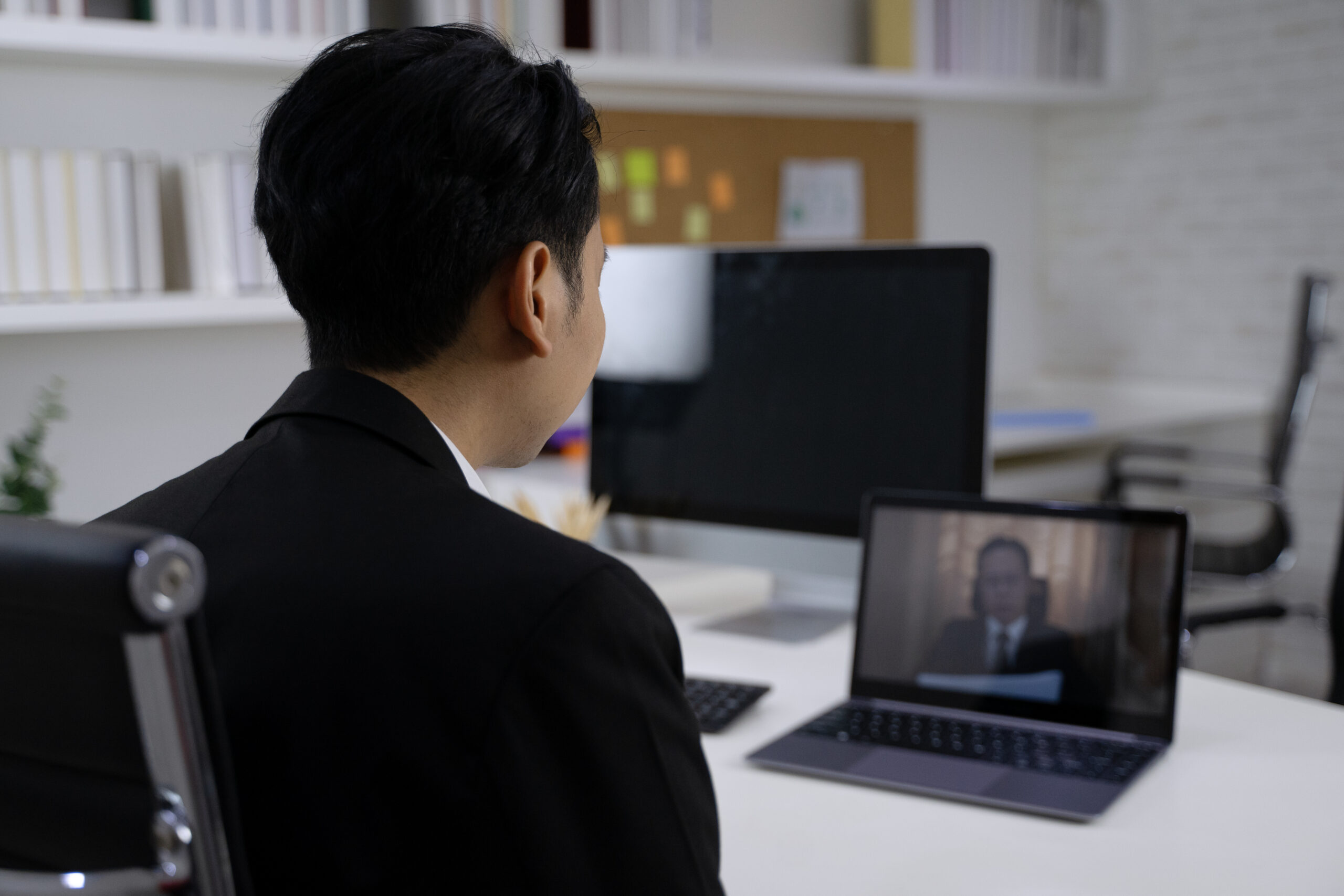
Zoom interviews are raising the bar so-to-speak. Remember, you are not only making an impression with how you speak, your interviewer will see how you dress and your surroundings.
I have had clients rely heavily on a live video interview when interviewing their first candidate. Some of those clients were challenged logistically (Hawaii, the Caribbean and Canada) in regards to airfare. If you are considering locations in distant places, you should be prepared to make use of this technology and be familiar with how it works. But today, more and more employers are taking advantage of Zoom interviews.
When ‘Zooming’ keep your eyes on the camera – not the screen. You want your interviewer to feel you are looking them in the eye and not down at the screen.
Dress well. Consider what your interviewer will see behind and around you. If your surroundings are not something you would want a prospective employer to see, blur the background of the screen – or chose a professional background from choices allowed for your screen.
Limit disruptions – your partner, your children, your dog. Yes, you may be taking the interview from home, but it is still important to put forth a professional appearance.
And remember to smile. You will come across as having an upbeat demeanor. Your ability to smile on command will pay dividends in an interview. It will also help disguise nervousness you may be experiencing.
Don’t Rely on Memory
Make sure you have a pen and pad handy to jot down questions and take notes throughout the interview. But list some questions of your own to discuss with your interviewer. Asking questions shows your interest and also shows that you’ve taken the time to consider different aspects of the position. Can’t think of any questions? How about, is the opening confidential? Or, what issues has the current / previous team member struggled with?
Even the best listeners need the insurance of a pen and pad. Especially if you are nervous, don’t rely on your memory to recount the most important parts of the interview.
Don’t forget to write the interviewer’s name – first and last, company name and phone number at the top of the page. This is important, especially if you have several interviews scheduled.
There is nothing worse at the close of a conversation to have your mind draw a blank on someone’s name – or using the name of the interviewer you spoke to yesterday. You want to personally address your interviewer as you close the conversation.
If your prospective employer has your resume in front of them, have your copy handy as well. Be prepared to answer three types of answers:
-
- Paint the picture of your current /past work environments (volume, mix, equipment, direct reports, etc).
-
- Giving logical reasons as to why you changed jobs in the past. Volunteer names of past supervisors that will praise you and your work performance.
-
- Be prepared with 2 or 3 success stories that support your past performance.
It’s a Wrap
How well you read your prospective employer and how well they read you – will determine if or when you will receive a personal interview.
If you feel comfortable that you can meet the needs described by your prospective interviewer, then take the next step and show your interest. It’s not too forward to say something like, “Your opportunity sounds right up my alley. Can we make some arrangements for me to visit your plant” (facility, home office, etc)?
Good luck!
