













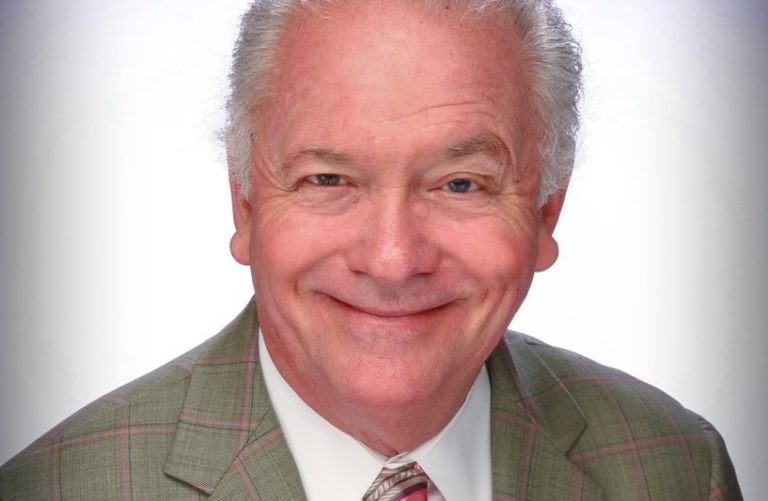
By: Ken Tyler, Sr. Laundry Industry Consultant
Last week in Part 1 of Back to the Basics, we explored considerations necessary when purchasing new equipment or replacing systems in your facility. Those considerations include the importance of knowing your needs, having an open mind and accepting input from others and the dangers of assuming. Today in Part 2 we’ll discuss the importance of sizing up your facility, interior design, safety, structural support and the importance of not being penny wise and pound foolish.
Size matters. It’s common sense but many people don’t consider the size of the facility when bringing in new equipment or replacing their systems. Get up close and personal with your infrastructure. The interior and exterior of a facility are different sizes. Plan out your equipment layout and visualize the equipment. But before you move anything in – take measurements, know electrical power, align ducts, load bearing on floor and ceiling know, and will it fit. Conceptually but what need to tear down to make fit.
Make sure you have space available. Check the amount of space you have available for the equipment – then check again. Make sure the equipment you are bringing in will fit. Ensure that you have the height, width, length for everything you will be installing.
Interior design. Know where your utilities (water, steam, thermal, electric etc.) are and ensure that they are amply available – especially if you are looking to increase production. If you aren’t familiar with utility integration – get acquainted with it. Consider the windows. Some people will build a beautiful laundry without considering outside lighting. Then, certain times of the day there will be shadows that develop from outside light, or at a certain time of day you may need more lighting than other times. Where is the lighting? Is it sufficient for operations – day or night? What amenities do you need on-site for the employees? Parking? Break rooms? Restrooms? A locker room to change and leave personal items?
Think safety first. That includes facility and employee safety. Know where fire/emergency exits are – or will be – and have them properly marked. Think ergonomically when placing equipment. Make sure there is unobstructed space for employees to bend lift and push as they and move goods.
Structure support. Make sure your structure can logistically support what you envision for your facility. Because the structure is supporting the equipment, either on the floor or from the ceiling (rails) know that the strength is there to support the equipment. Where are the building support beams, what is the height of the roof, etc. These measurements are necessary not only for ground equipment but also for rails. Involve equipment manufacturing, the engineering department, and maintenance employees who should have that information available.
Don’t be penny wise and pound foolish. Are there any other options available such as outsourcing? Can you justify the capital investment? You may need to justify the dollars and cents you will be spending. Is it better to run your own laundry or should you avoid the capital expense by outsourcing. Compare the costs. Weigh the option of using the laundry down the street. Be ready to support your decision with facts.
————————————————————
About the Author: Ken Tyler has been active in laundry and textile programs for over 53 years. Between his position as Chief of the VA Laundry program and the Chief of Laundry Operations at the DOD he managed the modernization, and construction of over 100 healthcare laundry operations valued in excess of 200 million dollars. Tyler received numerous commendations including the GSA Excellence award, Department of Energy awards for energy conservation and the Presidential Award for Performance. During his time with VA, he was selected in the VA Leadership program and continues as a member of that Alumni program. Tyler cites his favorite accomplishment as conducting the ALM sponsored Certified Laundry Management Course (CLLM) with TP Chan to over 40 students in Hong Kong who represented several countries in Asia. He continues to communicate with his students.
Tyler managed US Marine Corps and Department of the Navy laundry programs for 10 years, Department of Veterans Affairs textile care and laundry programs for 27 years and managed government programs for Encompass LLC for 16 years. He retired from the US Marine Corps after 30 years of service and received over 30 decorations for his military service.Tyler consults laundry manufacturers and textile/chemical groups. He is also the recipient of numerous industry and government awards and has served numerous organizations such as AHA, TRSA, JCAHO, ALM and ARTA.
